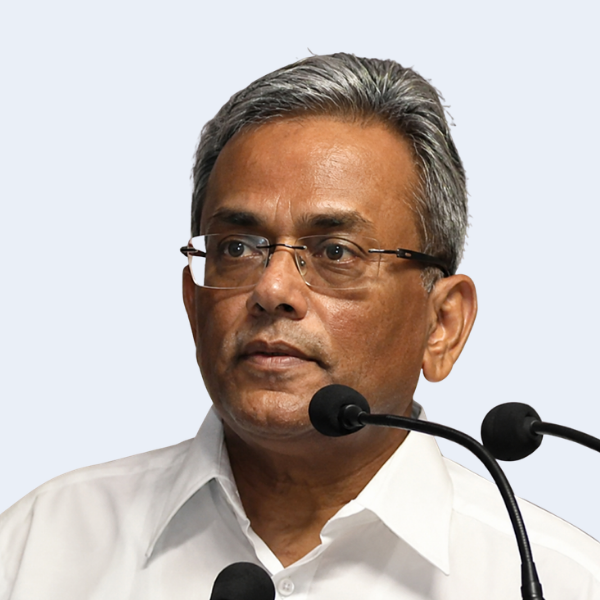
Prof. M A Muthusethupathi
Established regular kidney transplant program at Madras Medical College and made transplant services accessible for the underprivileged. Reported first Indian case series on leptospiral AKI, established Indian leptospirosis society and research laboratory at Madras Medical College. Known for his extraordinary knowledge, not just in Medicine and Nephrology, but also in a wide range of subjects like history and Sangam Tamil literature. In his honor, Prof M A Muthusethupathi Gold Medal examination is conducted annually for post graduates of General Medicine, across the state.
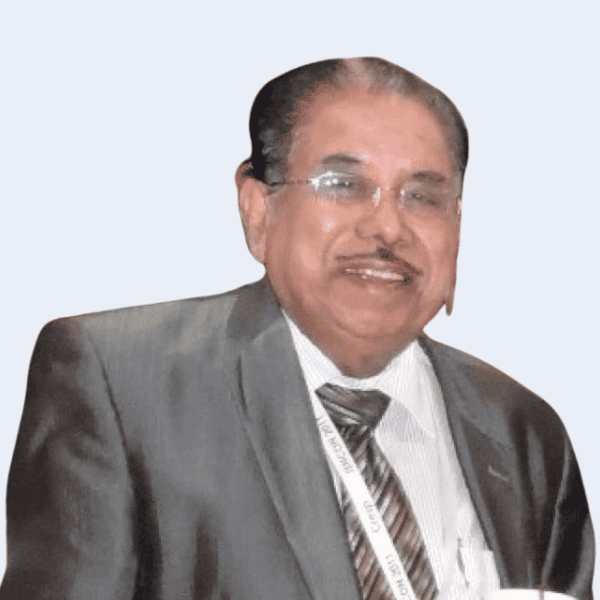
Late Prof. M S Amaresan
Prof Amaresan had the honor of being the first to get the DM Nephrology degree in India. Established department of Nephrology in Madras Medical College in 1972 and laid strong foundation for its growth of Nephrology across the state. He played a pivotal role in starting Indian Society of Nephrology – Southern Chapter. In his honor, Prof M S Amaresan Oration has been instituted at Madras Medical College
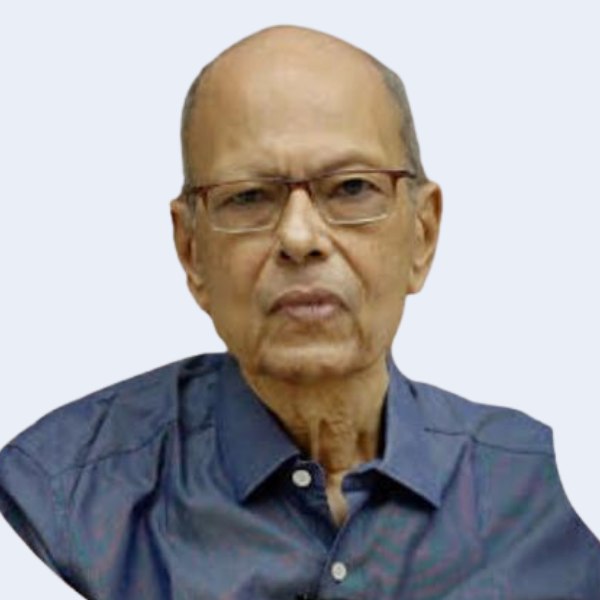
Padma Bhushan Dr. M. K. Mani – Pioneer of Indian Nephrology
Dr. M. K. Mani established India’s first Nephrology services at Jaslok Hospital, Mumbai and Apollo Hospitals, Chennai, making dialysis and transplantation affordable and accessible. A visionary in prevention, he proved through his *Kidney Help Trust, Chennai* that early detection and strict control of diabetes and hypertension can drastically reduce heart attacks, strokes and CKD. This work published in _Kidney International_ was adopted as a *Position Paper by the International Society of Nephrology* as the only community-level model to prevent CKD. He was a trailblazer in using *ACE inhibitors & ARBs at maximum tolerated doses* to slow kidney disease progression. A passionate teacher, acclaimed author of _Yamaraja’s Brother_ and _Letters from Chennai_, and a strong voice on medical ethics, Dr. Mani has been honoured with the *Padma Bhushan, John F. Dirks Award (ISN), Dhanvantari Award and Lifetime Achievement Awards* from leading medical bodies. Interestingly, he was also a cricket commentator for All India Radio.
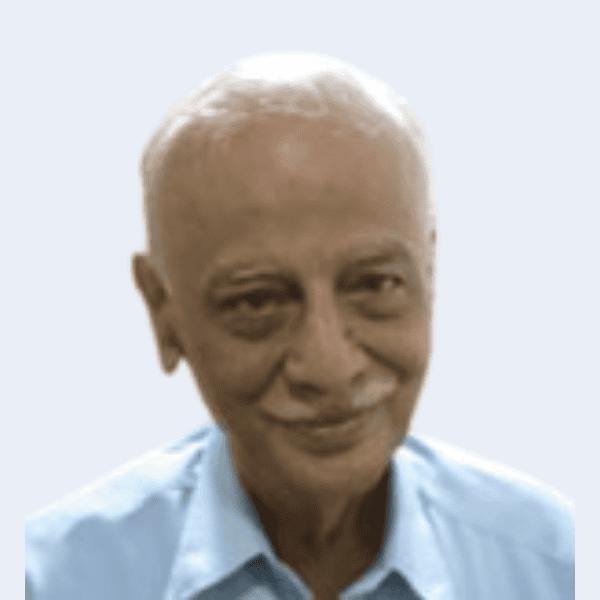
Prof. B R Nammalwar
First qualified pediatric nephrologist of South India. Established Pediatric Nephrology Unit at Institute of Child Health, Madras Medical College, Chennai in 1985. Inspired a host of pediatricians to pursue Nephrology. In his honor, Prof B R Nammalwar Oration has been instituted by Kids Kidney Care Trust, Chennai
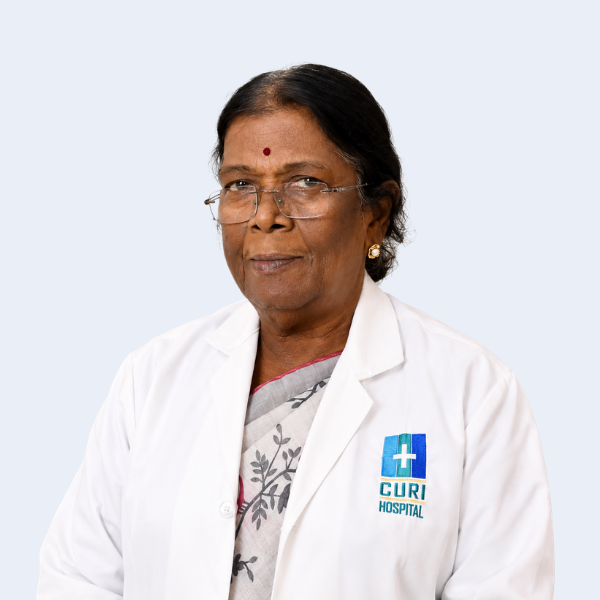
Prof. Muthu Jayaraman
The first nephrologist qualified from Madras Medical College and the first qualified woman nephrologist of South India. Contributed substantially for establishing and improving nephrology and kidney transplant services in several government medical colleges of Tamil Nadu. In her honor, Prof Muthu Jayaraman Oration has been instituted by the Tamil Nadu chapter of WIN
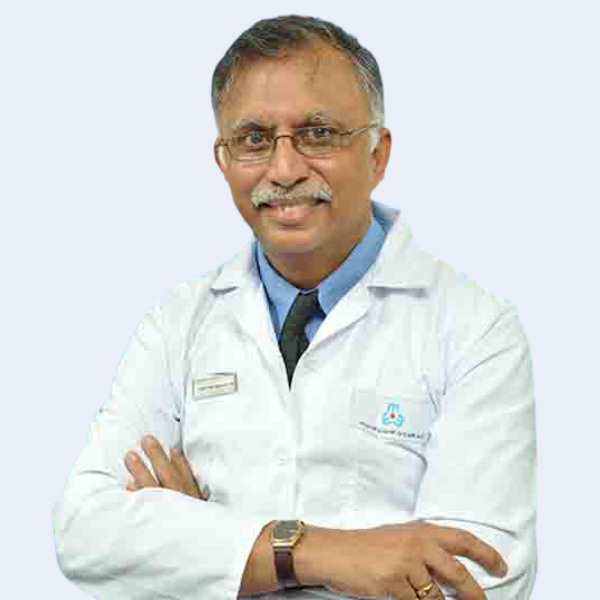
Prof. Georgi Abraham
Started CAPD (Continuous Ambulatory Peritoneal Dialysis) services in India and founded Peritoneal Dialysis Society of India. Established TANKER (Tamil Nadu Kidney Education and Research) Foundation though which free / highly subsidized hemodialysis is provided for numerous underprivileged patients. The services have spread across the state and extended to some African countries also. In his honor, Prof Georgi Abraham Oration has been instituted by Peritoneal Dialysis Society of India
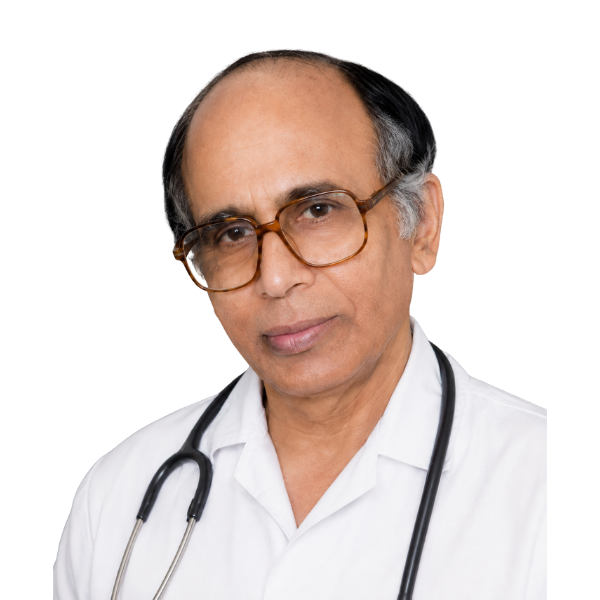
Late Prof. Dr. JCM Shastri
A pioneer of Indian nephrology. Played a decisive and impactful role in the development of the Department of Nephrology at Christian Medical College Vellore during his two decade-long leadership. He was a role model teacher, astute clinician and passionate researcher. His mentorship contributed to the professional development of nephrologists who subsequently established renal services in different parts of India and abroad. His leadership ensured high-quality clinical care even during primitive era of nephrology – reusable Kiil dialyzers, manually prepared dialysate, Scribner shunts and blind kidney biopsy. Dr. Shastry held the office of the President of both the Indian society of Nephrology and the Indian Society of Organ Transplantation.
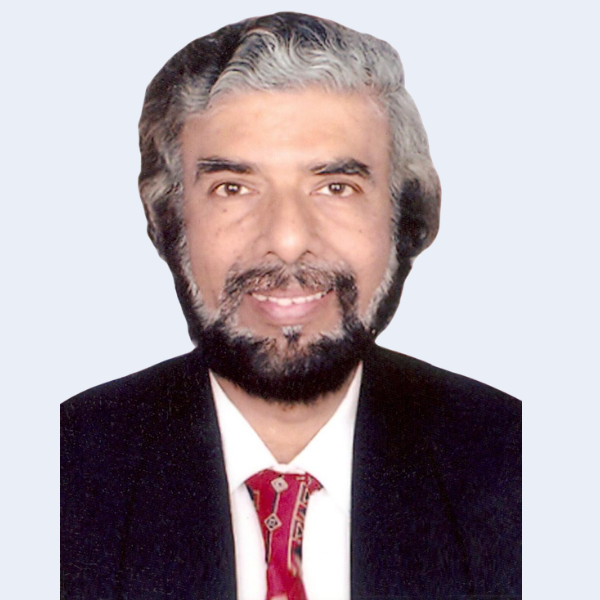
Late Dr. N. C. Talwalkar
Late Dr. N. C. Talwalkar, regarded as the Father of Nephrology in Karnataka, came to Bengaluru from Mumbai in 1979, with the blessings and encouragement of Padma Bhushan Dr. M. K. Mani. Dr. Talwalkar is credited with establishing nephrology services in Karnataka and initiating the kidney transplantation programme in the state. His pioneering efforts laid the foundation for the development of nephrology and renal transplantation in Karnataka.
Dr. Kishore Phadke
Dr. Kishore Phadke came to Bengaluru after completing his training in Paediatric Nephrology in the United States and became the first paediatric nephrologist in Karnataka. He was instrumental in establishing the DM programme in Paediatric Nephrology in Karnataka. He also played an important role in the development of an organ procurement organisation for deceased-donor transplantation in the state.
Late Dr. Siddaraju
Late Dr. Siddaraju, after completing his DM in Nephrology from PGIMER, Chandigarh, became one of the earliest qualified nephrologists to serve the Government of Karnataka at Victoria Hospital, Bengaluru. He was a popular teacher and a dedicated physician who contributed significantly to the development of nephrology services in the government healthcare system.
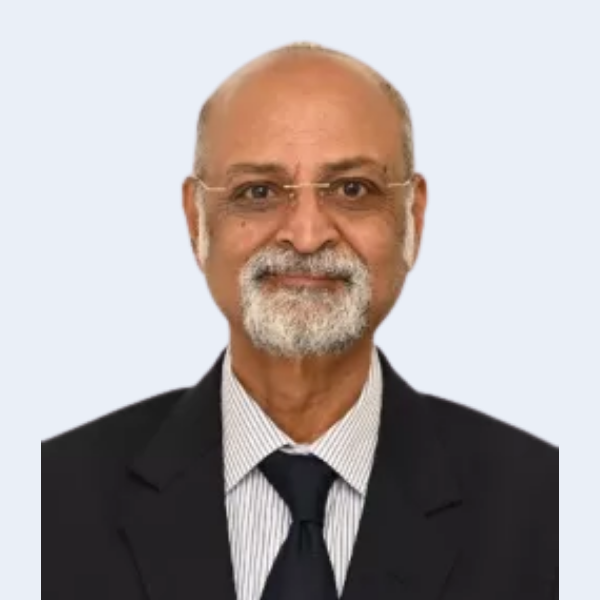
Dr. Sundar Sankaran
Dr. Sundar Sankaran, after completing his training in Nephrology at Christian Medical College (CMC), Vellore, came to Bengaluru in 1985. After a brief stint at St. John’s Medical College, he joined M. S. Ramaiah Medical College and was instrumental in establishing its kidney transplantation programme, making it the first medical college hospital in Karnataka to undertake kidney transplantation. He subsequently established the Karnataka Nephrology and Transplant Institute (KANTI), which functioned across different hospitals and went on to perform a large number of kidney transplants, contributing significantly to the growth of renal transplantation in Karnataka.
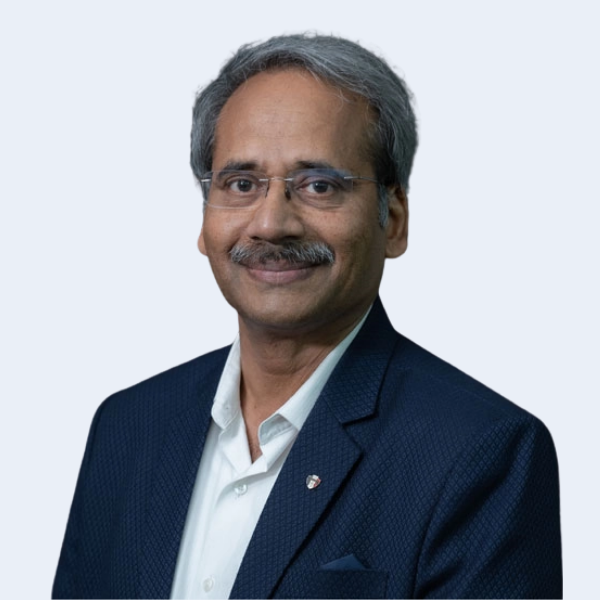
Prof. K. C. Gurudev
Prof. K. C. Gurudev trained in Nephrology under the legendary nephrologist Padma Bhushan Dr. M. K. Mani in 1991. He pioneered nephrology services in Mysuru and went on to perform the first renal transplantation outside Bengaluru in Karnataka in 1993. Over the years, he was associated with M. S. Ramaiah Hospital as Head of Nephrology and also served as President of the hospital. He has made significant contributions to the growth of renal sciences in Karnataka.
Dr. Sudarshan Ballal
Dr. Sudarshan Ballal, a distinguished academician and clinician and currently Chairman of Manipal Health Enterprises Ltd., completed his board certification in Nephrology and Critical Care in the United States before joining Manipal Hospitals, Bengaluru, in 1991. He was instrumental in establishing the deceased-donor kidney transplantation programme in Karnataka. He also played a pioneering role in developing nephrology training programmes in Karnataka and has trained numerous nephrologists who have gone on to serve across India and abroad.
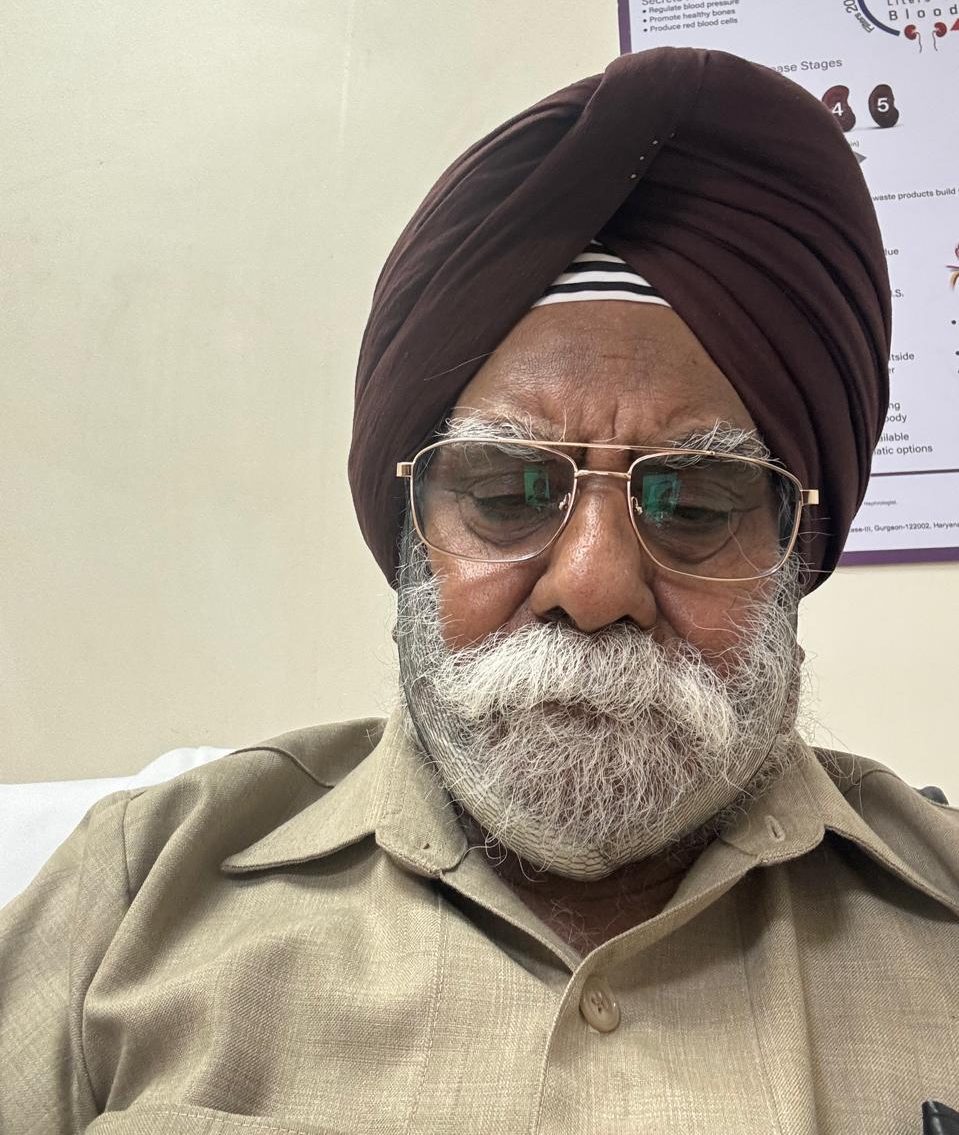
Wg. Cdr. S. J. Singh Khurana
Wg. Cdr. S. J. Singh Khurana, after completing his training in Nephrology at PGIMER, Chandigarh, joined Command Hospital (Air Force), Bengaluru, in 1984 and established the dialysis unit there. He was also among the medical professionals who travelled to the United States with the late Chief Minister of Tamil Nadu, Shri M. G. Ramachandran (MGR), for his kidney transplantation in 1984.
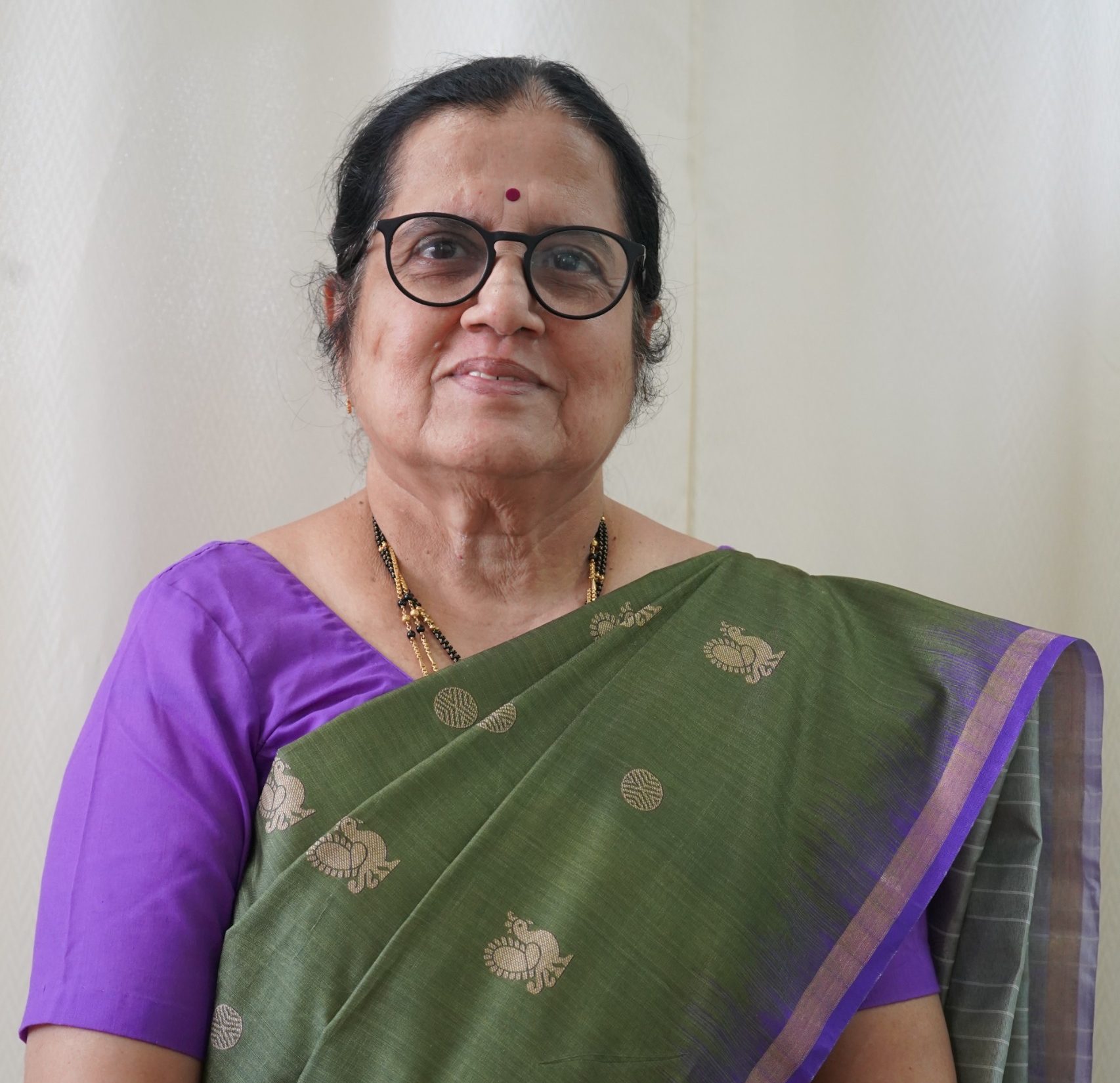
Prof. Renuka
Prof. Renuka was first woman Nephrologist in Karnataka. She later retired as Head of the Department of Nephrology at St. John’s Medical College, Bengaluru. She joined the Bangalore Kidney Foundation in 1992 and subsequently moved to St. John’s Medical College in 1995, where she contributed to the development of nephrology services and trained many nephrologists.

Dr. K. S. Ram Prasad
Dr. K. S. Ram Prasad, after completing his Nephrology training at CMC, Vellore, joined St. John’s Medical College in 1987 and played an important role in developing its nephrology services. He subsequently moved to Saudi Arabia, where he continued his professional career and served as Editor of the Saudi Journal of Organ Transplantation.
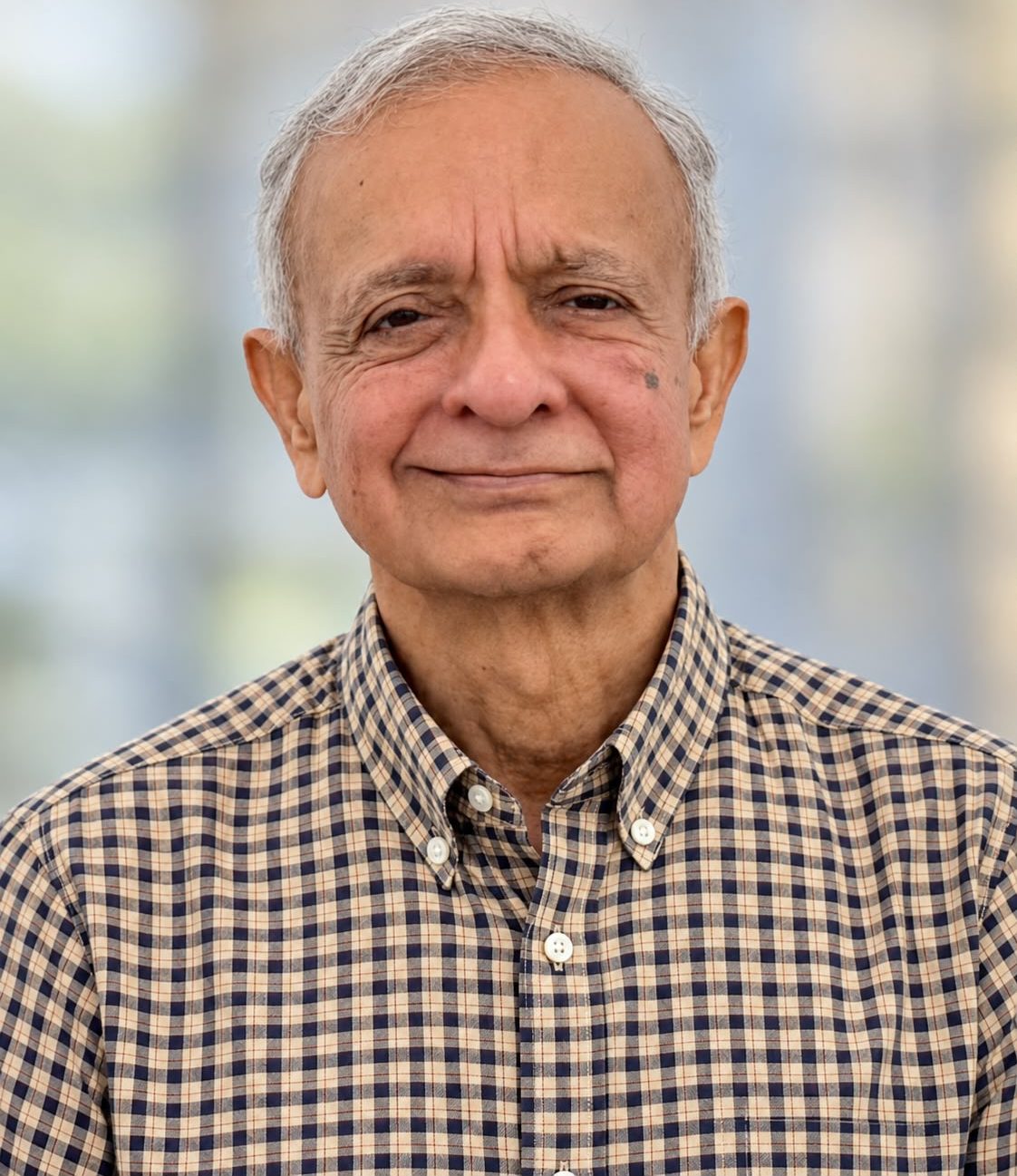
Dr. H. D. Balaji
Dr. H. D. Balaji, after completing his Nephrology training at CMC, Vellore, came to Bengaluru in 1988. He was one of the founders of the Karnataka Nephrology and Transplant Institute (KANTI) and contributed to establishing nephrology and transplantation services at Mallya Hospital. He subsequently moved to Australia, where he continued his professional career.
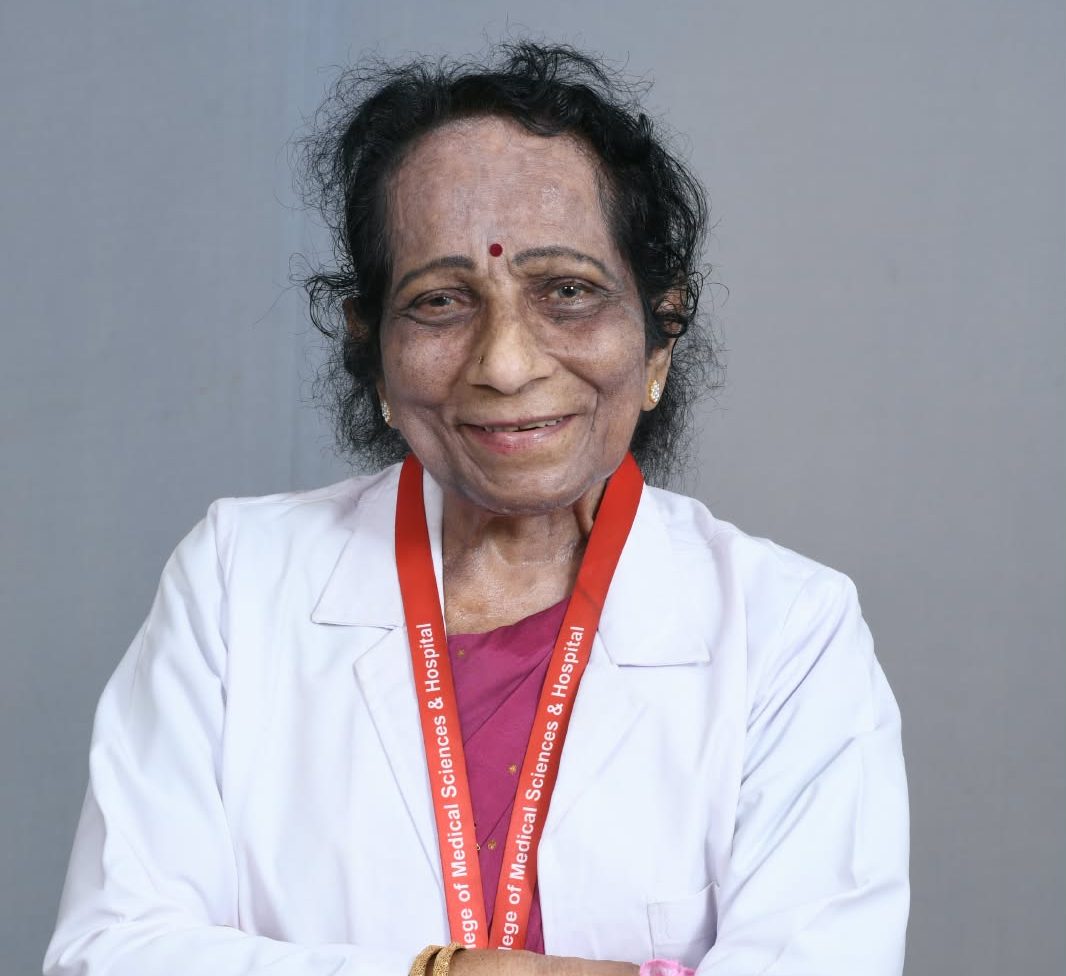
Prof. Akkamadevi
Prof. Akkamadevi is recognised as one of the earliest women nephrologists in Karnataka. She played an important role in running dialysis services within the government healthcare system in the state and has continued to contribute to nephrology services, including at SDM Medical College Hospital, Dharwad.
Prof. C. K. Jacob
Prof. C. K. Jacob completed his DM in Nephrology at Christian Medical College (CMC), Vellore, and subsequently served as Professor and Head of the Department of Nephrology at CMC Vellore. A distinguished nephrologist, he made significant contributions to the development of nephrology and renal transplantation in India. At CMC Vellore, he contributed extensively to clinical care, teaching, research and the training of generations of nephrologists. He subsequently served at Bangalore Baptist Hospital, Bengaluru, where he further contributed to the development of specialist nephrology services.
Dr. Thomas Mathew
In Medical College Kozhikode, Dr. Thomas Mathew, after training in PGI Chandigarh returned to Kerala as the first DM in Nephrology and started Peritoneal dialysis and hemodialysis by the mid 1970s. That Department has grown as a leading teaching centre in the country. The first related donor kidney transplantation was performed by the Nephro-urology team of Dr. Roy Chally (Urologist) and Dr. Thomas Mathew and team in Dec 1985. Soon postdoctoral course leading to DM Nephrology was started and the growth of the department has been steady over the decades. Following this strong foundation, a succession of Professors, Drs. Ramdas Pisharody, Rajaratnam K, M. Sreelatha and Dr. Naushad have taken the department to great heights.
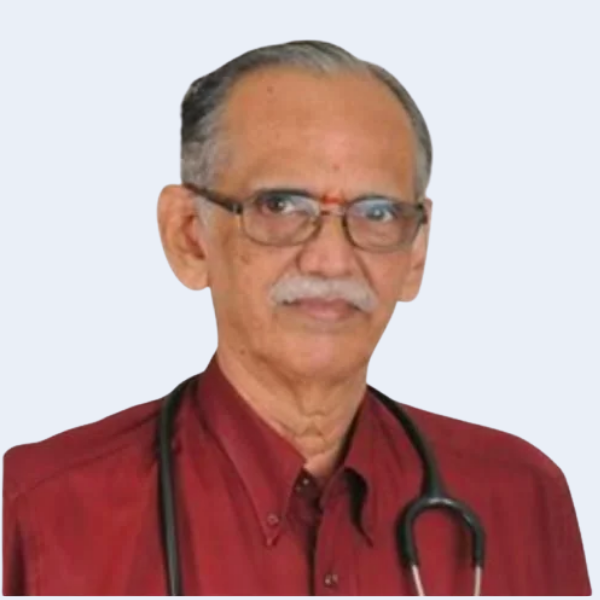
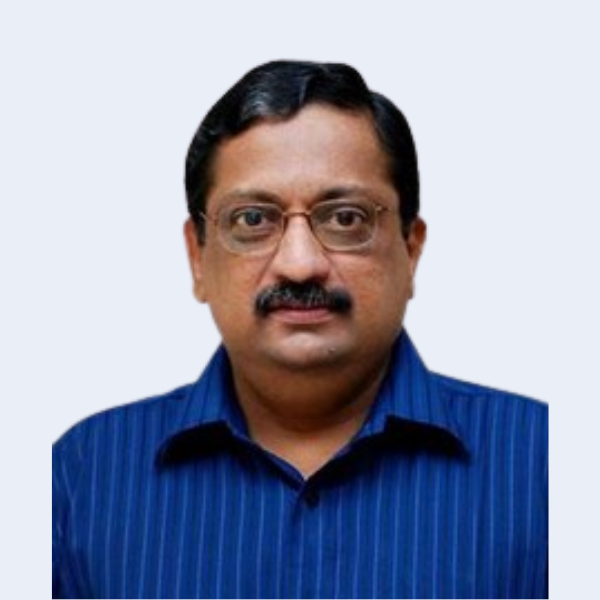
Dr. R. Kasi Visweswaran
Returning from PGI, Chandigarh, in 1981, with DM degree, his team started a regular Nephrology clinic and Peritoneal dialysis by mid-1981, and hemodialysis in Feb. 1982 at the Medical College, Kottayam. Over the years, the Department established itself as a leading referral centre for kidney diseases in Central Kerala. Postdoctoral courses leading to DM Nephrology were started in the early 1990s, and kidney transplantation was started by the early 2000s. The facilities for maintenance hemodialysis was improved with generous support from the Government. The Department has had a succession of great teachers and clinicians like Drs. Vimala, Jayakumar, Sebastian Abraham, Jacob George who have trained dozens of DM trainees.
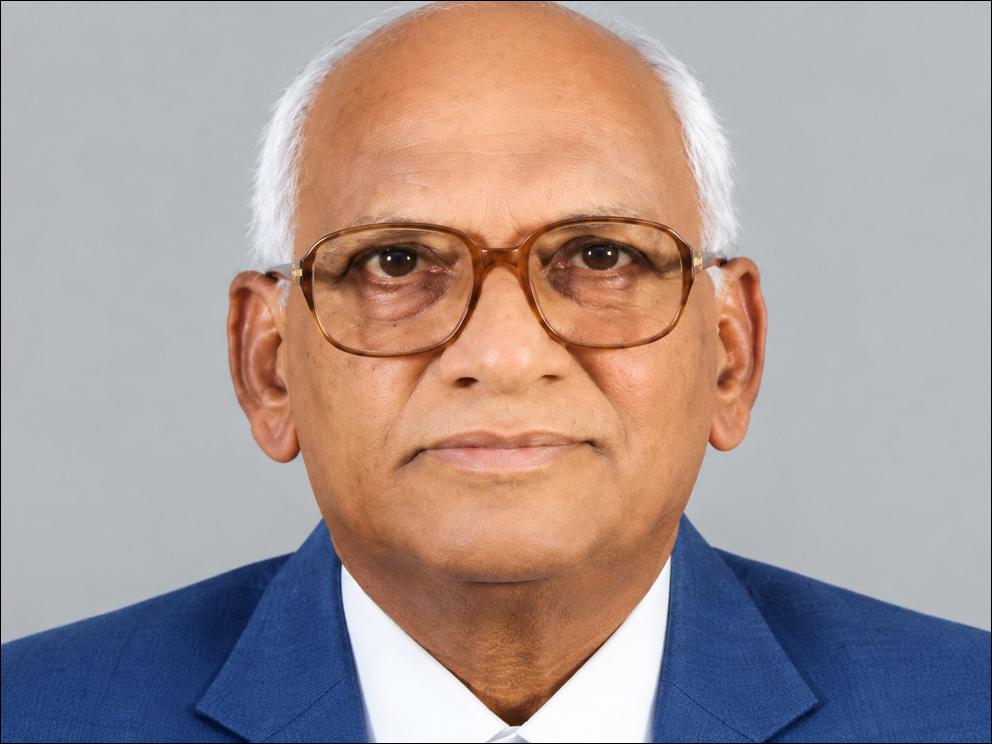
Dr. A. Gopal Kishan
Dr. A. Gopal Kishan was a pioneering nephrologist who played a significant role in establishing nephrology as an independent specialty at Osmania General Hospital, Hyderabad. After completing his Commonwealth Fellowship in Nephrology at Manchester, UK, during 1974–1976, he returned to India and established an independent Nephrology Division. Through his dedication and persistent efforts, he secured dialysis machines, staff and financial support to strengthen kidney care services. He also played a key role in the landmark kidney transplantation performed at Osmania General Hospital on 16 May 1982. Recognized as a founding pioneer of nephrology in Andhra Pradesh and Telangana, he contributed significantly to the development of dialysis, kidney transplantation and specialist nephrology services in government hospitals.
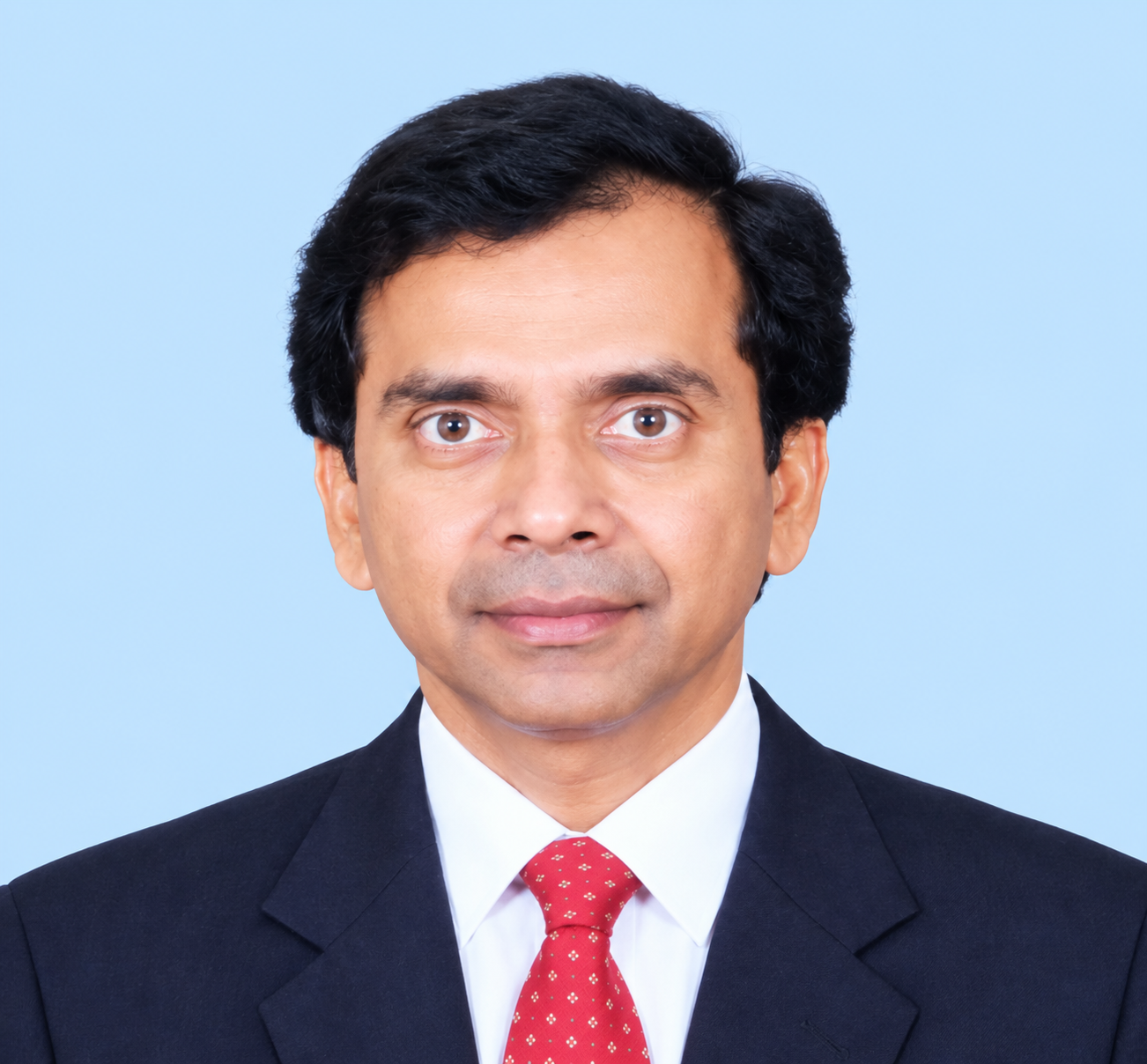
Dr. Ram Bhoopal
Dr. Ram Bhoopal was a pioneering nephrologist who played a significant role in developing private-sector kidney care in Hyderabad. He completed his DM in Nephrology at PGI Chandigarh under Professor K. S. Chugh and returned to Hyderabad in 1979, where he established dialysis services at Bhagwan Mahavir Charitable Hospital. In 1981, he collaborated with transplant surgeon Dr. S. Sahariah to organize the first kidney transplantation in a private hospital in Hyderabad. He later helped expand specialized kidney care through Sathya Kidney Centre, established in 1989 with Dr. V. V. S. Sarma. His dedication and contributions helped establish nephrology as a recognized specialty in Hyderabad's private healthcare sector.
Dr. V. N. Waghray
Dr. V. N. Waghray was one of the early pioneers of nephrology at Osmania General Hospital, Hyderabad. After completing a Commonwealth Fellowship in Nephrology in Manchester, UK, in 1972, he returned to Osmania Hospital and began providing specialized care for patients with kidney diseases. In 1974, under his supervision, an early kidney biopsy was performed using a Vim–Silverman needle. During this period, he also contributed to the introduction of peritoneal dialysis services. His clinical work helped lay the foundation for the development of nephrology as an independent specialty at Osmania Hospital.
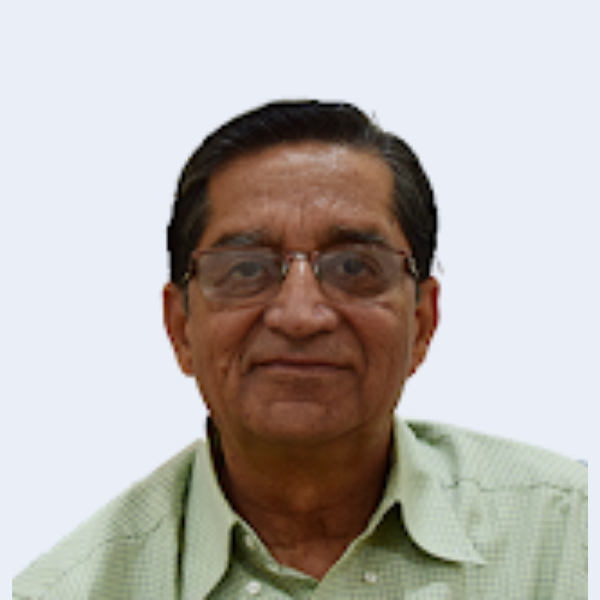
Dr. Girish Narayan
Dr. Girish Narayan was an important contributor to the development of nephrology services in Andhra Pradesh. After completing his DM in Nephrology at PGI Chandigarh, he joined Osmania General Hospital, Hyderabad, as Assistant Professor in 1982. He participated in the landmark kidney transplantation performed at Osmania Hospital on 16 May 1982. In 1985, he was appointed Professor of Nephrology at Andhra Medical College and King George Hospital, Visakhapatnam, where he helped establish an independent Nephrology Department and develop dialysis services. His contributions helped extend specialized kidney care beyond Hyderabad and strengthen nephrology services in coastal Andhra Pradesh.
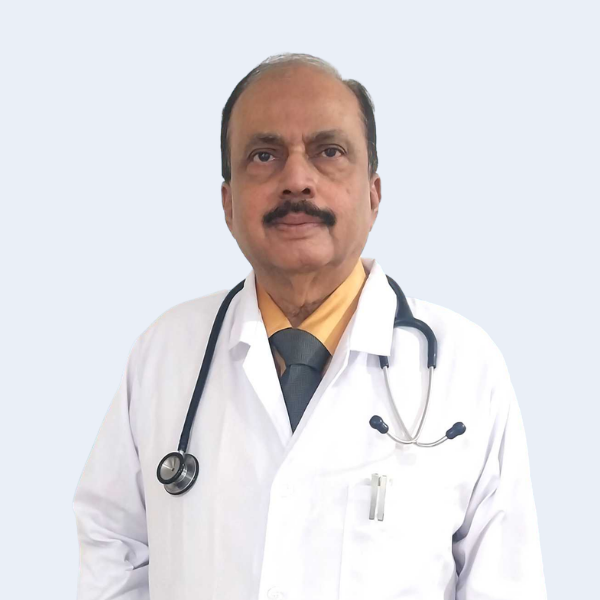
Dr. Pradeep deshpande
Dr. Pradeep Deshpande, also trained at CMC Vellore, became Professor of Nephrology at Gandhi Hospital. He was instrumental in establishing the renal transplant programme at Gandhi Hospital in 1999 and initiating its DM Nephrology programme in 2001.
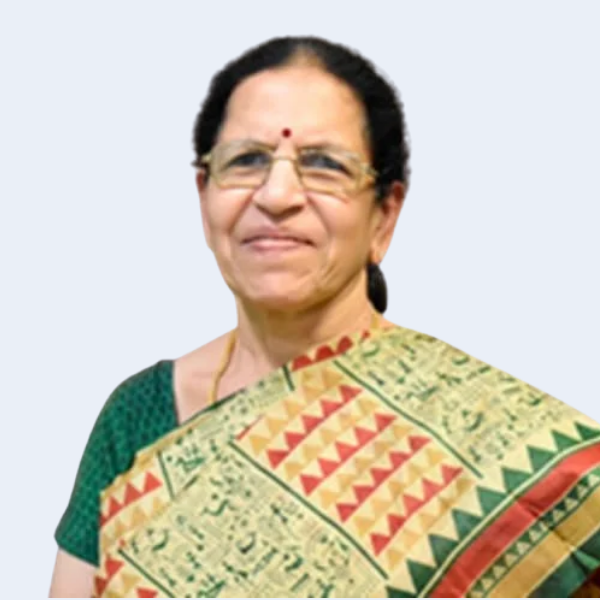
Dr. Anuradha Raman
Dr. Anuradha Raman, who completed her National Board training at CMC Vellore, subsequently became Professor of Nephrology at Osmania General Hospital and contributed significantly to clinical services, transplantation, and postgraduate education.
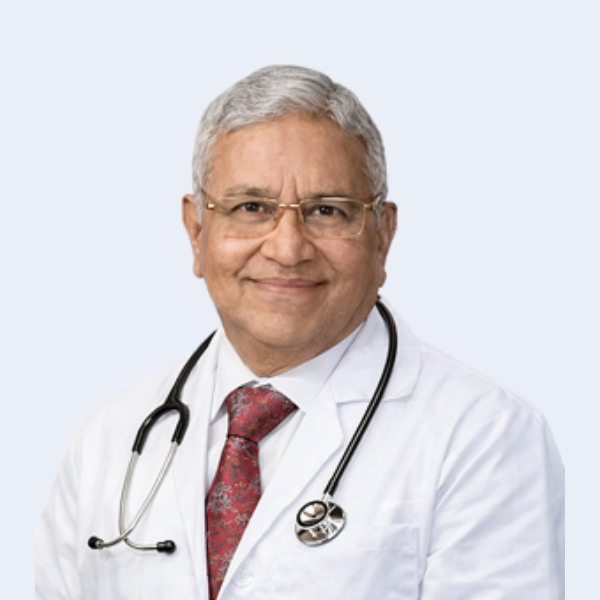
Prof. Ravi Raju
Prof. Ravi Raju Tatapudi is a pioneering nephrologist and public health reformer, the first qualified nephrologist from Andhra Pradesh. Founder of Nephrology at Andhra Medical College (1986), he established dialysis, transplant and training programs.He conceptualized India's first state-sponsored Free Hemodialysis Program under Aarogya Sri, a model for the National Dialysis Program, and created ‘Jeevandan’, India’s first transparent IT-enabled cadaver organ allocation system.He first documented CKDu in Uddanam (1990s), prompting ICMR studies and RO water supply for lakhs. Former Director of Medical Education and Vice-Chancellor, Dr. NTR University, now Pro Chancellor, Apollo University, he is an FRCP, ISN Pioneer Awardee and a transformative force in equitable kidney care.
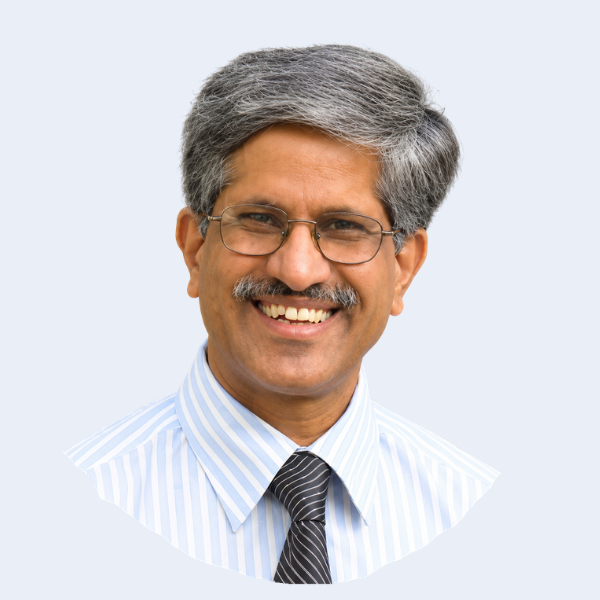
Dr. K V Dakshinamurthy
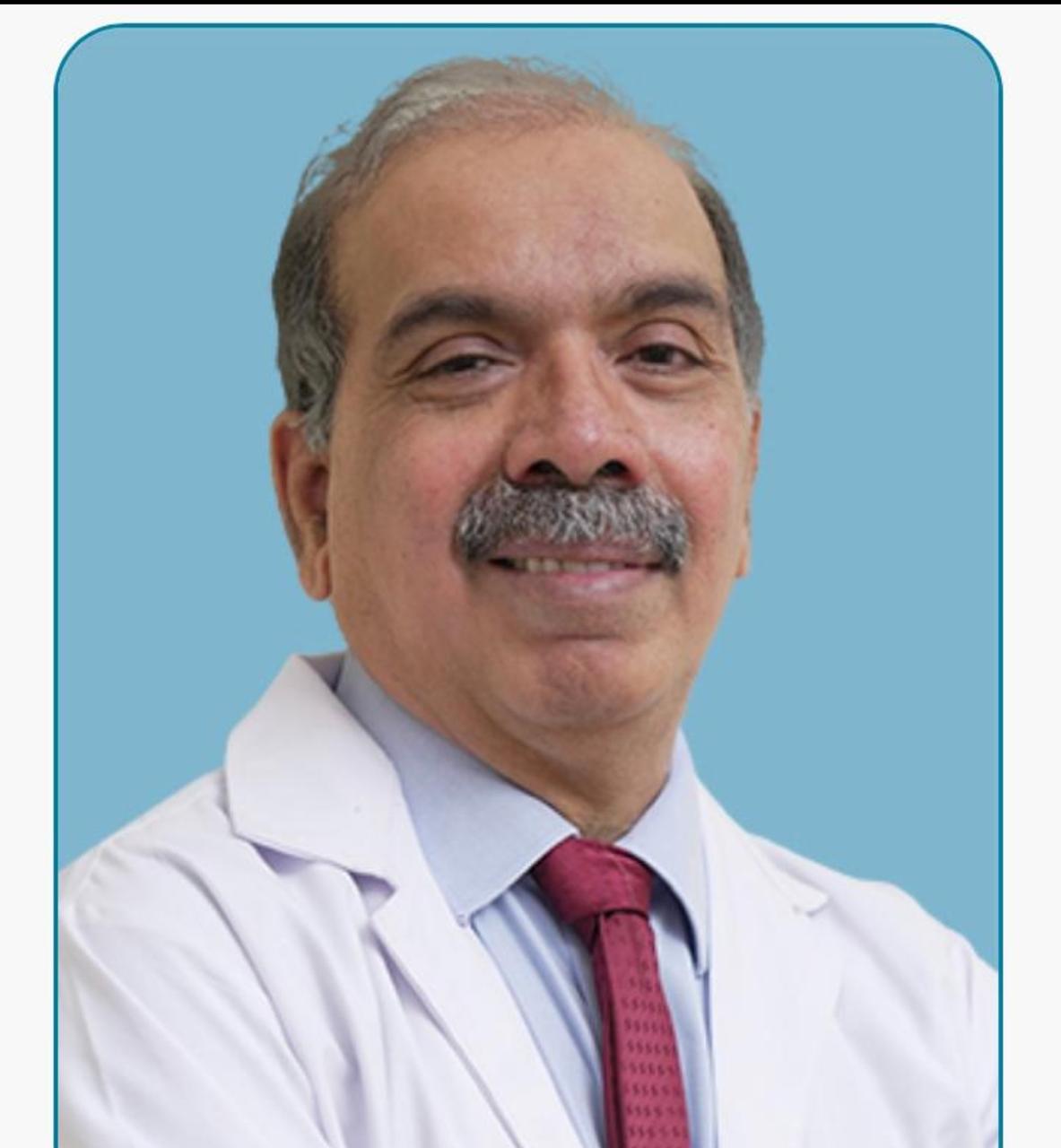
Dr. K Shivanand nayak
Dr. K S Nayak is a globally recognized nephrologist with over 40 years of experience delivering world-class kidney care and transplant services. A pioneer in Peritoneal Dialysis (PD) in India and internationally, he specializes in deceased and living donor kidney transplantation, acute and chronic kidney diseases, critical care nephrology, liver dialysis (MARS, FPSA), and renal nutrition. His groundbreaking achievements include performing Andhra Pradesh's first cadaver kidney transplant in 1996 and leading India's first simultaneous heart and kidney transplant. He has also successfully executed multiple sequential liver and kidney transplants. Dr. Nayak has contributed over 100 international publications, serves on the editorial boards of six high-impact journals, and is frequently invited to deliver lectures worldwide. His exceptional outcomes have been acknowledged by the Harvard Business Review.
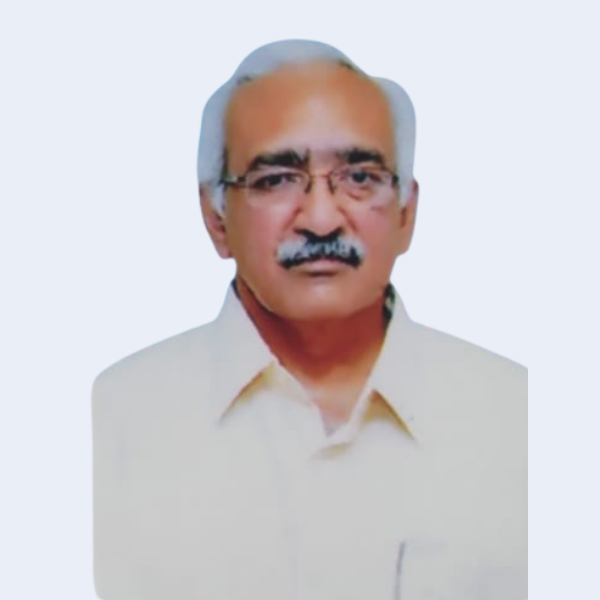
Dr. V. ShivaKumar
Dr. V. Shivakumar - SVIMS, Tirupati - is Senior Professor, Department of Nephrology, Sri Venkateswara Institute of Medical Sciences. He is one of the senior-most nephrologists in Andhra Pradesh and has built SVIMS Nephrology as a major center: - Clinical: Established and expanded hemodialysis, CAPD / Peritoneal Dialysis program, maintenance of CKD, AKI and transplant nephrology services. SVIMS under him does one of the highest volumes of PD in AP - his oration topic at ISNCON 2015 was "Peritoneal Dialysis - My Experience". - Academic: MD, DM, FISN, FRCP (London). Former faculty and long-time teacher for DM Nephrology at SVIMS, trained most nephrologists from Rayalaseema region. Research interest in PD, CKD epidemiology and dialysis. - Awards: Fellow Indian Society of Nephrology (2015), Dr. V.N. Acharya Oration (2015), FRCP London (2017), AP State Teacher Award (2018), First PDSI Oration (2019), Guru Dronacharya Award by SGPGI Lucknow & AVATAR Association

1120+
Members

50+
Scientific Programs

Stronger Together
Better Tomorrow